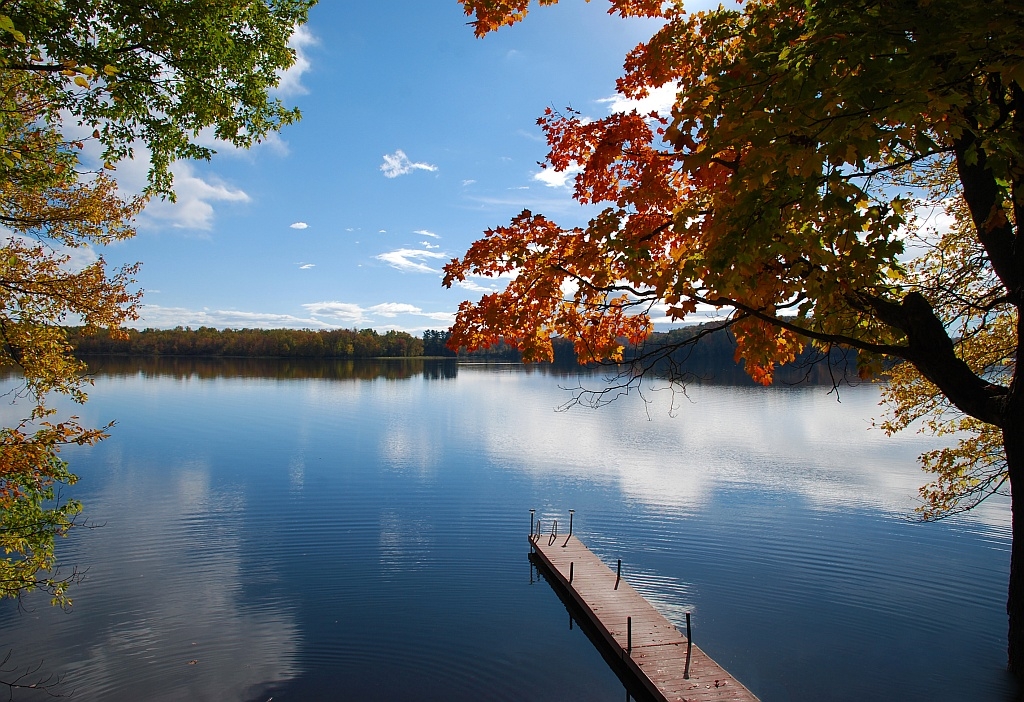
Waterfront properties in Canada face a maintenance cycle shaped by conditions that have no parallel in urban or suburban settings. Ice formation, spring flooding, shoreline erosion, UV exposure on water surfaces, and extended seasonal vacancy each place demands on structures, systems, and the land itself. An owner who understands the rhythm of these demands is better equipped to prevent costly repairs and to protect the long-term value of a property at the water's edge.
The right maintenance schedule varies by region — a lakefront property in northern Ontario faces different stresses than a tidal property in New Brunswick or a coastal home in British Columbia. The framework below draws on conditions common across Canada's principal waterfront property zones.
Spring: Opening and Assessment
Spring is the highest-risk period for waterfront structures. Ice breakup and elevated water levels following snowmelt can damage docks, shoreline retaining walls, and low-lying mechanical systems. The opening inspection should address each of these systematically.
Dock and Marine Structures
Before reinstalling a seasonal dock or using a permanent one, inspect all structural members for ice damage. Ice can exert enormous lateral and upward pressure on dock pilings and crib structures during freeze-thaw cycles, and damage often appears as cracked cribs, displaced pilings, bent brackets, or broken decking boards. Document any damage with photographs before repairs, as insurance claims for ice damage require evidence of the specific impact.
Floating docks stored on land over winter should have their floatation chambers inspected for cracks or deformation before reinstallation. Check all hardware — bolts, hinges, cleats, and gangway brackets — for corrosion and replace as needed. Canadian hardware standards recommend marine-grade stainless steel (316 grade) for hardware in direct contact with fresh or salt water.
Shoreline and Erosion Check
Shoreline erosion accelerates during spring high water and ice-out. Walk the full water's edge of the property and note any areas where the bank has undercut, where riprap (protective stone) has displaced, or where tree roots that stabilize the bank have been exposed. Early intervention — repositioning displaced riprap, planting native shoreline vegetation — is significantly less expensive than repairing a fully eroded bank.
Planting programs using native aquatic and shoreline vegetation (such as native sedges, rushes, and shrubs) are encouraged under provincial shoreline naturalization programs in Ontario and several other provinces. Natural vegetation is among the most durable and ecologically appropriate shoreline protection available, and it may qualify for municipal cost-sharing programs in some jurisdictions.
Mechanical Systems
Water lines, pipes serving docks or boathouses, and any in-ground irrigation or washdown systems that were drained before winter should be tested before pressurizing. Inspect pump houses, pressure tanks, and water intake screens. UV sterilizers used on lake-fed water systems have bulb lifespans typically measured in operating hours; replace at the interval recommended by the manufacturer, not necessarily every year.
Summer: Routine Use and Vegetation Management
The active use season places wear on docks, exterior surfaces, and septic systems. Several maintenance tasks are most effectively completed while the property is occupied and conditions are visible.
Dock Surface and Hardware
Pressure treat or seal dock decking annually where applicable. Decking materials range from traditional pressure-treated lumber to composite and aluminum systems, each with different maintenance profiles. Composite decking requires cleaning to prevent organic buildup; aluminum requires periodic inspection of rivets and joint seals; pressure-treated lumber requires annual inspection of end grain for checking and fungal staining.
Aquatic Vegetation
Invasive aquatic plants — Eurasian watermilfoil, purple loosestrife, phragmites — are a persistent management challenge for waterfront owners in affected regions. Mechanical removal from private dock areas is generally permitted, but chemical treatment in water requires provincial authorization. Reporting invasive species to provincial authorities (Ontario's Invading Species Hotline, for example) contributes to broader early detection programs.
Cleaning watercraft and equipment before moving between water bodies is a legal requirement in some provinces and is recommended universally as a measure against spreading invasive species and pathogens such as viral hemorrhagic septicemia.
Septic System
Waterfront septic systems — particularly older ones in elevated proximity to the water — warrant more frequent inspection than systems in standard residential settings. Provincial guidelines on setback distances and system standards have tightened over time, and a system that meets older standards may no longer comply. Many Ontario Conservation Authorities provide guidance on septic assessment and naturalized buffers. Pump and inspect septic holding or treatment tanks on the schedule recommended by the provincial authority — typically every three to five years for year-round use, less frequently for seasonal properties.
Fall: Winterization and Closing
Winterization of a waterfront property requires more steps than a standard residential closing, particularly for properties served by lake water, operating docks, or structures exposed to ice pressure.
Dock Removal and Storage
The timing of seasonal dock removal is dictated by water temperature and ice formation patterns at the specific location. In areas with reliable ice formation, most seasonal docks should be removed before freeze-up. Leaving a dock in a lake that freezes substantially risks ice heaving and structural loss during breakup.
Store removed dock sections on stable ground, elevated from grade to allow airflow underneath and prevent moisture uptake. Polypropylene floatation chambers should be stored away from prolonged UV exposure.
Plumbing and Water Systems
Complete drainage of all water-bearing pipes is essential before winter. The sequence typically proceeds from the intake point (pump or municipal connection) outward. Low points in plumbing systems that cannot be fully drained by gravity may require compressed air purging. Lake-fed systems where the intake pipe extends below the ice layer may be partially left pressurized with an antifreeze solution approved for potable water systems.
Document which valves were closed and which drains were opened. A clear written record reduces the risk of missed steps in subsequent seasons and supports insurance documentation requirements for some seasonal property policies.
Exterior and Structural Inspection
The fall walkthrough should include inspection of all wood surfaces for paint or stain integrity — deteriorating finish on exposed timber accelerates moisture infiltration and decay. Caulking around windows, door frames, and penetrations should be inspected and renewed where cracked or missing. Fascia, soffits, and roof surfaces warrant inspection before snow loads are applied.
For properties in ice-prone zones, ice shields (additional underlayment at roof eaves) reduce the risk of water infiltration from ice dams. Their presence and condition are worth confirming before winter.
Winter: Monitoring and Ice Management
Even for seasonally closed properties, periodic winter checks — ideally monthly — are advisable where insurer policy conditions require them, and are good practice generally. A check confirms that heating is maintaining minimum temperature (typically 15°C or as specified by the insurer), that there has been no unauthorized entry, and that the roof is not carrying an unsafe snow load.
Permanent Dock Ice Management
Where a dock cannot be removed — as with some permanent cribs and pile-driven structures — ice management systems are commonly used. Bubblers (aeration systems that circulate warmer water from depth) prevent ice formation immediately around dock structures in lakes that do not freeze to great depth. These systems require monitoring and periodic maintenance during the ice season to remain effective.
Note on Climate Variability
Ice conditions in many Canadian lake regions have become less predictable in recent decades. Properties that historically had reliable deep ice cover may now experience variable or thin ice. This affects both ice management strategies and the safe use of the frozen lake surface for recreation or access.
Foundation and Structural Considerations
Waterfront properties are disproportionately represented by construction types unusual in urban settings — poured concrete slabs on grade, treated timber post foundations, and older stone pier or crib foundations. Each has distinct maintenance requirements and vulnerability profiles.
Post foundations are particularly susceptible to frost heaving where posts are not set below the frost line, and to decay where wood contacts wet soil. An annual check of foundation posts for plumb and for rot at the base — using a sharp awl to probe for soft wood — identifies problems while they are still addressable by post jacking and repair rather than full foundation replacement.
Concrete block or older poured concrete foundations in waterfront settings may show efflorescence (white mineral deposits) on interior walls, indicating moisture migration. This warrants investigation of the exterior drainage and waterproofing before the condition progresses to structural spalling.
Regulatory Compliance in Maintenance
Certain maintenance activities on waterfront properties require permits. In Ontario, a Work Permit from the relevant Conservation Authority may be required for construction, dredging, or alteration within the regulated area. The federal Fisheries Act prohibits works that cause serious harm to fish or fish habitat without authorization, which can apply to shoreline modifications, dredging, and dock installation.
Consultation with the local Conservation Authority or provincial environment ministry before undertaking substantive shoreline work is a practical precaution that prevents both regulatory violation and the cost of mandated restoration.